



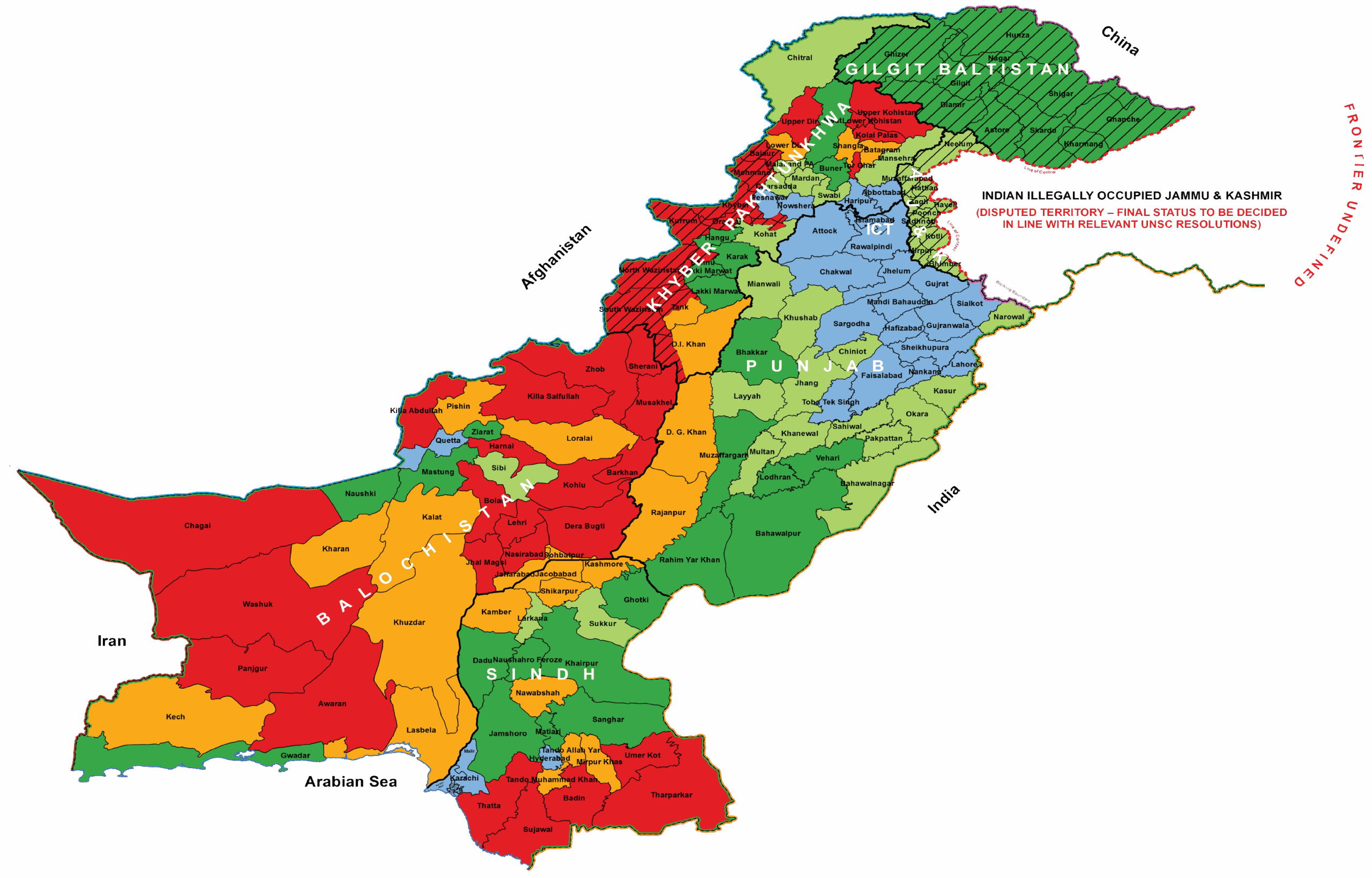
Presence in 150 districts of the country through 158 partner organisations
Two decades of experience in delivering poverty alleviation programmes where they are most needed, ensuring neutrality and impartiality
Rigorous poverty mapping methodologies identify where the poorest communities are located and what they need
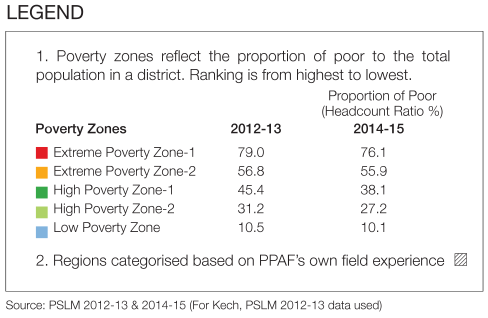
Using the multidimensional poverty index, districts have been ranked according to the highest poverty ratio, as per the Geography of Poverty Report rankings
Robust M&E mechanism, with advanced in-house MIS
Re-imagining The Future:
Strategy 2021 – 2025
Goal 1
Foster institutions of and for the poor to reduce inequalities, promote inclusive governance and development


Goal 2
Enhance sustainable and resilient livelihood opportunities to support households to graduate out of poverty


Goal 3
Address systemic deprivations that exacerbate poverty through local infrastructure development and community wellbeing initiatives.


Goal 4
Strengthen organisational effectiveness by aligning resource mobilisation, people capabilities and partnerships to transform into a more agile, responsive and effective institution.
PPAF Values
Inclusion
Recognising demographic diversity – women, children, elderly, persons with disabilities, indigenous groups and religious minorities – and connecting different views, experiences, issues and vulnerabilities as a methodology to reducing poverty.




Transparency
Substantiating achievements by evidence, clear reporting on activities, and financial proof that would reflect on implementation of strategies and adherence to mandates and outcomes; advancing the practice of downward accountability to beneficiaries; and upholding the democratic traditions by having community institution leadership elected and follow a structure and processes for governance.
Participation
Increasing community input by having a broad process of consultation so that decisions on contents of intervention, policies and programmes are not dominated by one group’s perspective.


Stewardship
Responsible management of that which has been entrusted to us in the ecosystems and communities we serve. As caretakers of the environment and its resources we believe in having a constructive effect on the ambit of our influence. We commit to fulfill our shared responsibility to our planet, our children, and our future.
Accountability
Having in place legal and reporting framework, organisational structure, processes and procedures to make sure regularity and the efficiency of the use resources and personnel help responsible for their actions.

Leadership
Board of Directors
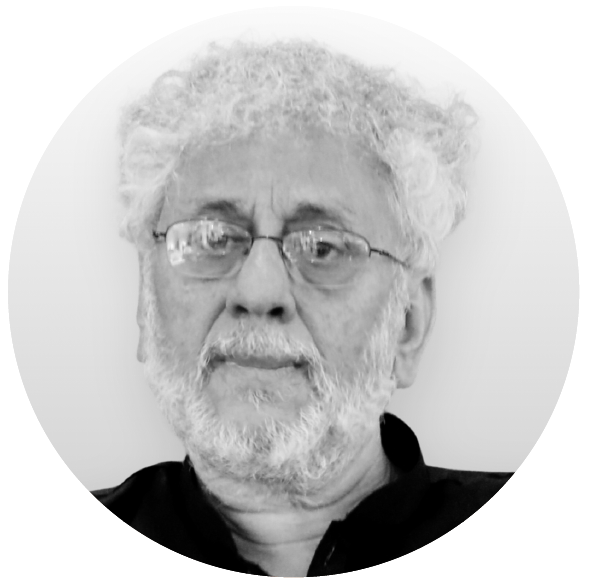
Mr. Mohammad Tahseen is the founding Director of South Asia Partnership Pakistan, a leading national...More
Mr. Mohammad Tahseen
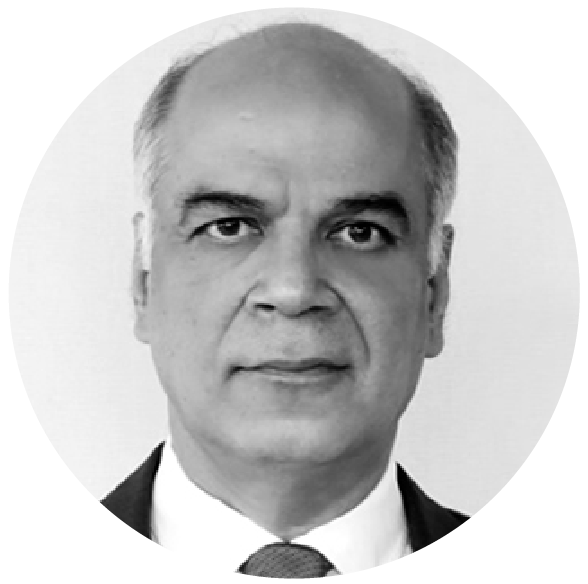
Mr. Navid Ahmed Shaikh is an officer of Pakistan Administrative Service (PAS) with over 30 years of ...More
Mr. Navid Ahmed Shaikh

Ms. Sabina Qureshi is a part of civil service of Pakistan with 29 years of experience in policy rese...More
Ms. Sabina Qureshi
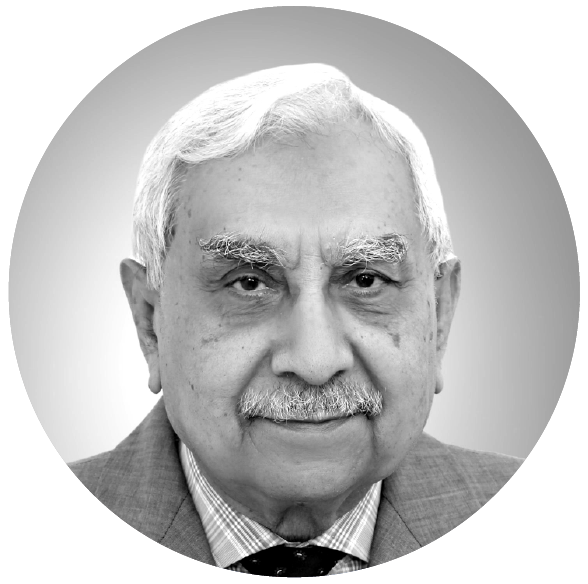
Dr. Muhammad Suleman Shaikh is a medical professional and social development advocate. He graduated ...More
Dr. M. Suleman Shaikh

Ms. Maryam Kayani a Pakistan Administrative Service officer, has been in the service of the Governme...More
Ms. Mariam Kayani
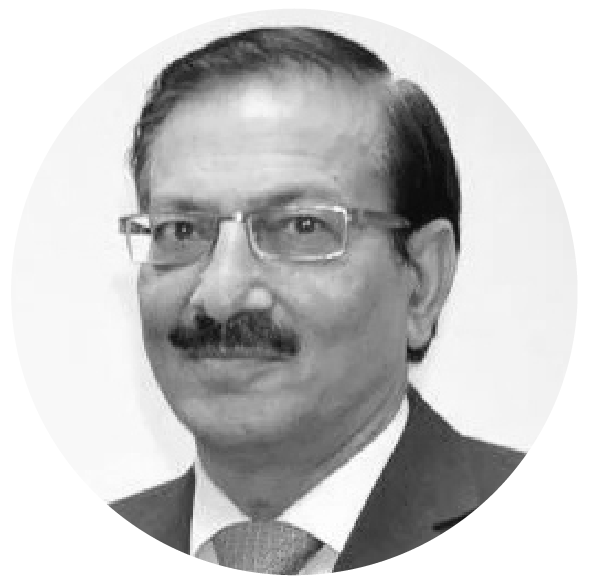
Mr. Mahfooz Ali Khan’s diverse career spans over 38 years, He started his career as a journalist bef...More
Mr. Mahfooz Ali Khan
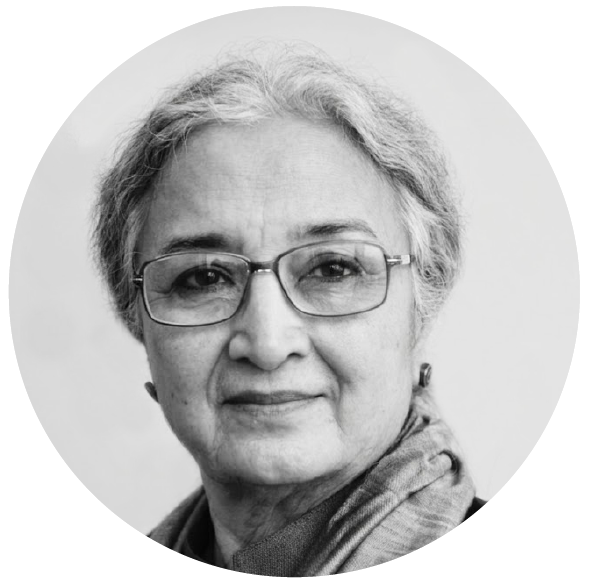
Khawar Mumtaz is an independent consultant in gender and social development. She was Chairperson of ...More
Ms. Khawar Mumtaz
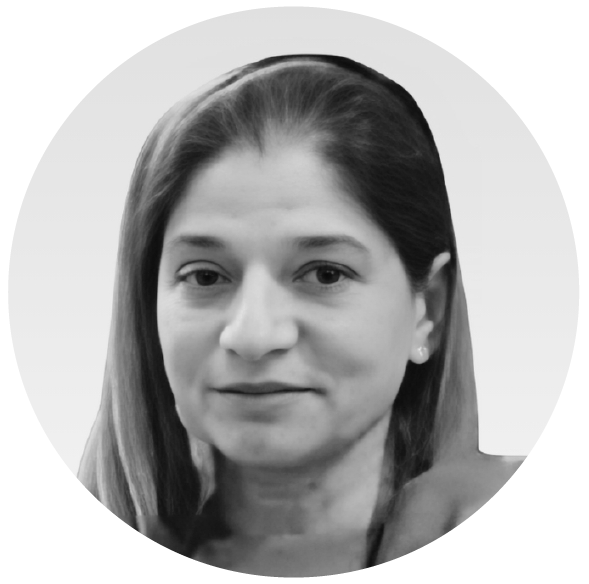
Ms. Shabina Ayaz is a dynamic and accomplished women’s rights activist who currently serves as...More
Ms. Shabina Ayaz
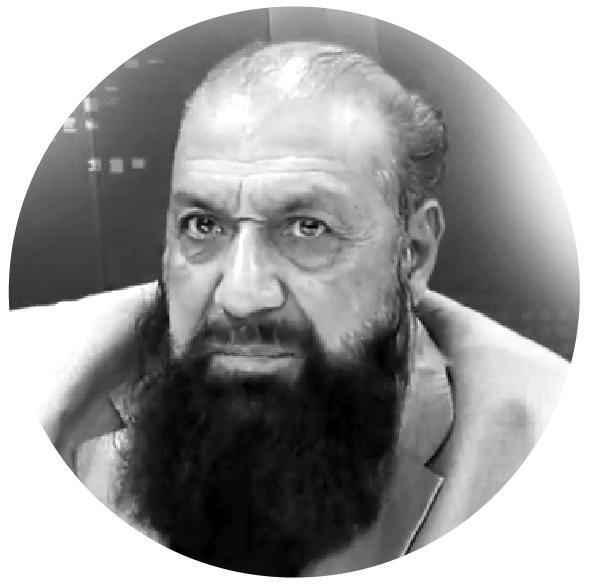
Mr. Sher Jehan Mir is an accomplished banker, having served as Chief Executive and Chief Advisor at ...More
Mr. Sher Jehan Mir
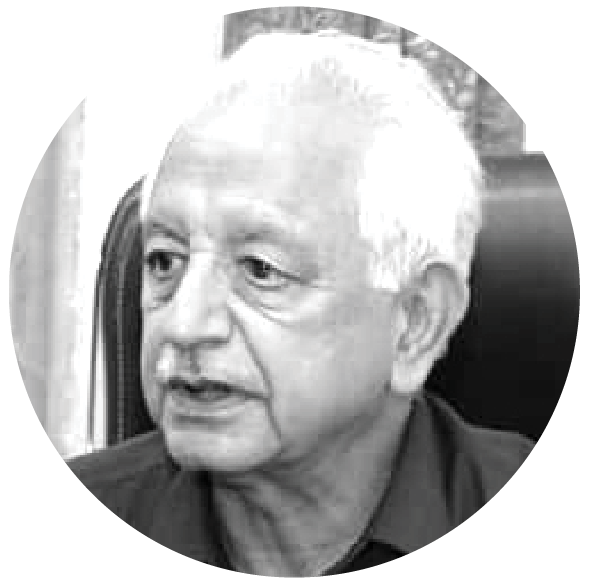
Dr. Bashir-Ur-Rehman Kant has over 48 years of experience of serving in various capacities in the he...More
Dr. Bashir-Ur Rehman Kant

Professor Aijaz Ahmed Qureshi is a seasoned development professional, institutional development spec...More
Prof. Dr. Aijaz Ahmed Qureshi
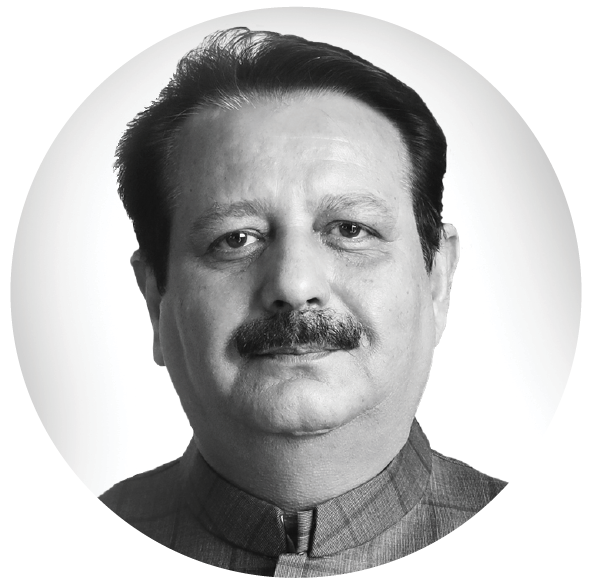
Mr. Nadir Gul Barech

Mr. Salman Ahmad joined PPAF in January 2023 as Company Secretary / Head of Legal & Corporate A...More
Mr. Salman Ahmad
General Body
Mr. Navid Ahmed Shaikh
Secretary,
Ministry of Poverty Alleviation & Social Safety,
Ex-Officio Member
Mr. Shoaib Sultan Khan
Chairman – RSPN (Rural Support Programmes Network),
NGO Category Member
Mr. Rafiullah Kakar
Member (SSD) – Planning Commission,
Ministry of Planning Development
Ex-Officio Member
Dr. Rashid Bajwa
CEO, NRSP(National Rural Support Programme)
NGO Category Member
Dr. Farah Masood
Additional Secretary, PA&SS Division.
Ex-Officio Member
Ms. Shabina Ayaz
Executive Director, Aurat Foundation,
NGO Category Member
Mr. Mahfooz Ali Khan
Board Member, State Bank of Pakistan.
Ex-Chief Secretary, Finance Secretary,
AGPR (Balochistan),
Business/Professional Category Member
Mr. Navaid Qureshi
Chairman, Board of Trustees, Jamshed Akhtar Qureshi Education Trust,
NGO Category Member
Mr. Mueen Afzal
Ex-Secretary, Ministry of Finance, GOP,
Director, Pakistan Centre for Philanthropy
NGO Category Member
Ms. Sadiqa Salahuddin
CEO, Indus Resource Centre,
NGO Category Member
Mr. Mohammad Tahseen
Executive Director,
South Asia Partnership Pakistan (SAP-PK)
NGO Category Member
Ms. Mariam Kayani
Joint Secretary (EFCB),
Ministry of Finance,
Ex-Officio Member
Dr. Ijaz Nabi
Member, Prime Minister’s Economic Advisory Council,
Country Director, International Growth Center (Pakistan Program),
Professor (Economics) LUMS,
Director, Punjab Skill Development Fund,
Academia Category Member
Dr. Rashida Panezai
Chairperson, MEHAC Helping Council
Ex-Officio Member
Mr. Sher Jahan Mir
(Ex-Banker, Ex-Chief Minister, GB)
Business/Professional Category Member
Mr. Kamal Hyat
Development Sector Specialist
Business/Professional Category Member
Dr. Naved Hamid
Member, SBP Monetary Policy Committee,
Economist/Professor, Lahore School of Economics (LSE)
Academia Category Member
Prof. Dr. Aijaz Ahmed Qureshi
Professor, Karachi University
Academia Category Member
Ms. Roshan Khurshed Bharucha
Member, Judicial Commission of Pakistan,
Board Member – SOS Children Villages,
Board Member – SDPI,
Former – Senator, Ex-Chairperson PPAF,
Former Board Member, NCHD,
Academia/Professional Category Member
Ms. Sabina Qureshi
Additional Secretary,
Ministry of Economic Affairs,
Ex-Officio Member
Ms. Khawar Mumtaz
Director, Pakistan Centre for Philanthropy,
Ex-Chairperson – NCSW (National Commission on Status of Women),
Ex-Director – BISP,
NGO Category Member
Mr. Muhammad Ali Kemal
Chief – SDGs Section, Ministry of Planning Development & Special Initiatives
Ex-Officio Member
Dr. M. Suleman Shaikh
Vice Chairman, SZABIST,
Academia Category Member
Mr. Ahmad Jan Malik
Joint Secretary, PA&SS Division.
Ex-Officio Member
Ms. Farida Shaheed
CEO, Shirkat Gah (Women’s Resource Centre),
NGO Category Member
Lt. General (R) Nadeem Ahmad
Ex-CEO, National Disaster Risk Management Fund (NDRMF),
Business/Professional Category Member
Dr. Bashir-Ur Rehman Kant
(Dean-Health Sciences, University of AJK)
Academia Category Member
Dr. Anis ur Rehman
CEO, Himalayan Wildlife Foundation,
NGO Category Member
Ms. Zubeida Khatoon
Chairperson, Khwendo Kor,


